




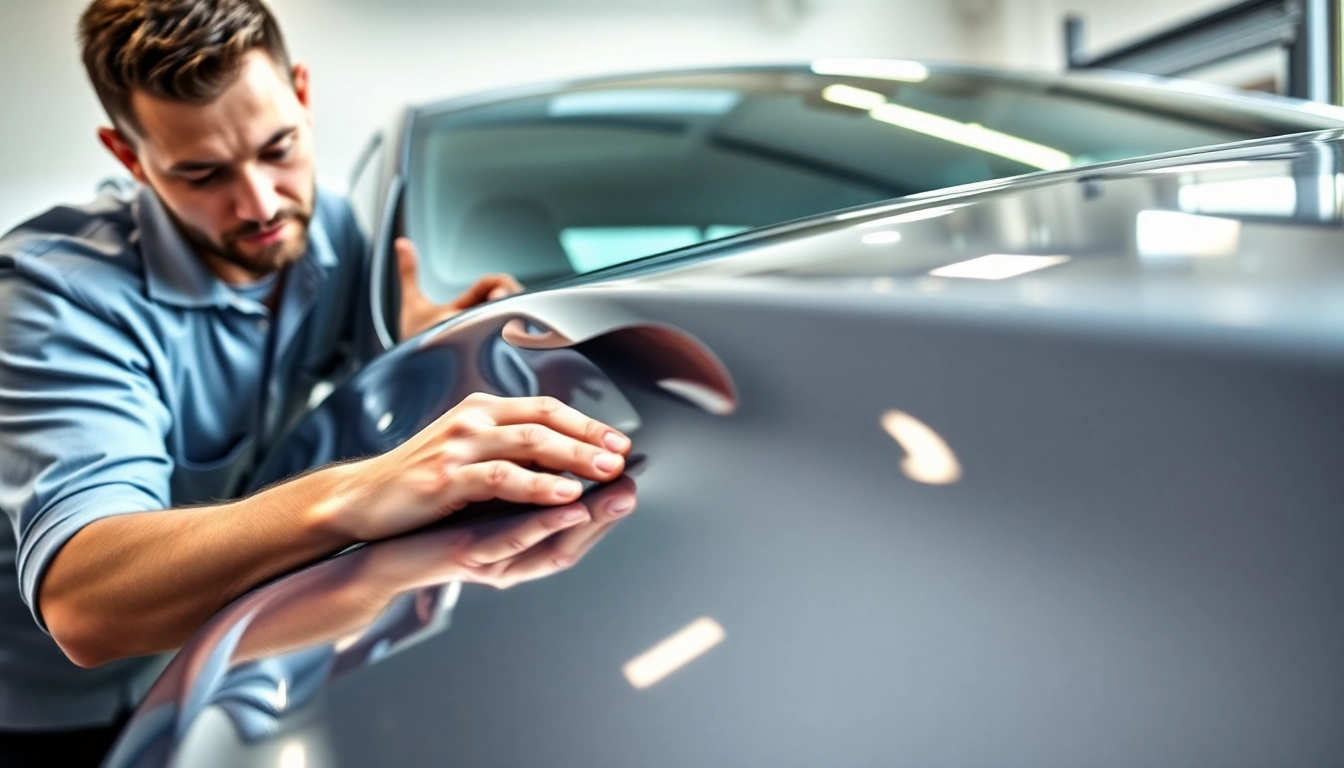
What is Paint Protection Film?
Understanding the Basics
Paint protection film (PPF) is a thermoplastic urethane film applied to the exterior surfaces of a vehicle to protect its paint from scratches, chips, and other contaminants. Think of it as an invisible shield that guards your car’s paint, helping to maintain the aesthetic appeal and value of your vehicle. This clear film is designed to be durable yet flexible, allowing it to conform to any shape while providing optimal protection without altering the appearance of the original paint.
Materials Used in Paint Protection Film
Modern paint protection films are typically constructed from high-quality polyurethane or vinyl, which offers excellent clarity and elasticity. These materials are chosen for their ability to resist yellowing and fading, ensuring a long-lasting protective barrier. Advanced PPF formulations may also include self-healing properties that allow minor scratches to vanish with heat, further extending the lifespan and effectiveness of the film. The thickness of the film can vary, with most PPFs ranging from 6 to 12 mils, providing a balance between protection and flexibility.
Benefits of Paint Protection Film
The main benefits of paint protection film are numerous. First and foremost, it provides unrivaled protection against rock chips, scratches, and environmental contaminants such as bird droppings, tree sap, and UV rays. This film also helps to maintain the resale value of the vehicle by keeping the paint in pristine condition. Moreover, PPF is often easier to clean than untreated paint, as dirt and grime do not easily adhere to its surface. In addition, unlike traditional wax, which requires periodic reapplication, paint protection film offers a long-term solution that maintains its efficiency for several years, reducing the time and money spent on maintenance.
Why Choose Paint Protection Film Near Me?
Local Expertise and Convenience
Choosing to install paint protection film near you provides several distinct advantages. Local installers often possess intimate knowledge of regional environmental factors affecting vehicles, such as weather conditions, road types, and common contaminants. This localized expertise allows them to recommend the best film choices and installation practices tailored to your specific needs. Furthermore, opting for nearby services offers convenient scheduling and reduced travel time, enabling a seamless installation process.
Cost-Effectiveness of Local Services
When searching for paint protection film near me, you can often find competitive pricing options tailored to fit various budgets. Local businesses may offer special promotions or package deals, making it more affordable to protect your vehicle. By selecting services within your vicinity, you can also save on potential shipping fees typically associated with films purchased online. Moreover, local service providers may have a more personalized approach, ensuring that you receive tailored solutions that maximize your investment.
Supporting Your Local Economy
Choosing to have your paint protection film installed by a local business not only benefits you but also strengthens your community. By supporting local services, you help create jobs and stimulate the local economy. Additionally, local businesses often provide a personalized touch and build lasting relationships with customers, which can result in more attentive service and a focus on quality and satisfaction. In turn, your investment keeps money circulating within your community, fostering an environment where local enterprises can thrive.
Installation Process of Paint Protection Film
Step-by-Step Installation Guide
The installation of paint protection film involves several steps to ensure a flawless application. Here’s a detailed look at the process:
- Preparation: Begin by thoroughly washing and detailing the vehicle’s exterior. This includes removing any contaminants, wax, or grease to ensure optimal adhesion of the film.
- Drying: Once cleaned, the vehicle should be dried completely, as any moisture can interfere with the film’s bonding.
- Cutting the Film: Using a template or pattern, the installer will cut the film to the appropriate sizes for the designated areas of the vehicle.
- Application: A solution of water and soap is applied to the vehicle’s surface before placing the film on it. This allows for repositioning during application, ensuring a perfect fit.
- Evacuating Air Bubbles: Using a squeegee, the installer will carefully remove air bubbles and excess water from beneath the film and ensure smooth application.
- Drying: After installation, the film should be left to cure. Depending on the manufacturer’s instructions, this may take several hours to a few days.
What to Expect During Installation
During the installation process, you can expect a meticulous and detailed approach. Professional installers will typically invite you to observe and ask questions, helping you understand the steps involved and what to expect post-installation. While most installations take a few hours, the time required can vary based on the complexity of the job and the areas being covered. It’s essential to monitor the process to ensure it meets your expectations and to have an open dialogue with your installer about any concerns or questions you might have.
Post-Installation Care Tips
After your paint protection film has been installed, it’s crucial to follow specific care instructions to ensure the film performs as intended:
- Avoid washing: Refrain from washing your vehicle for at least 48 hours post-installation to allow the film to bond properly.
- Gentle cleaning: When washing, use a pH-balanced soap and soft microfiber cloths or mitts to prevent scratching the film.
- Avoid waxing: Avoid applying wax or sealants on the film, as these can potentially damage its surface. Regular cleaning is generally sufficient to maintain its shine.
- Inspect regularly: Regularly check the film for any signs of wear, bubbles, or lifting edges. If noticed, consult your installer for advice.
Comparing Paint Protection Film with Other Methods
Paint Sealant vs. Paint Protection Film
Paint sealants are synthetic products applied to a vehicle’s paint to provide a barrier against contaminants and UV rays. While effective and easier to apply than traditional wax, paint sealants typically require reapplication every six months to one year. In contrast, paint protection film offers a more robust, long-term protective solution without the need for regular reapplication and can last up to a decade when properly maintained.
Waxing vs. Film Application
Waxing is a time-honored method of providing a protective barrier on your vehicle’s paint. While it offers a glossy finish and marginal protection against contaminants, the efficacy is inferior compared to paint protection film. Wax requires frequent application, can wash away in rain, and does not provide the same level of protection against scratches and chips. Paint protection film, however, stands as a more resilient choice that safeguards your vehicle’s integrity over an extended period.
Longevity Factor: Which Lasts Longer?
When comparing longevity, paint protection film clearly outshines both sealants and wax. High-quality PPF can last from 7 to 10 years with proper care, while wax typically needs to be reapplied every few months, and sealants may last a year or so. The investment in paint protection film pays off as it minimizes the need for regular maintenance and repairs, offering peace of mind for vehicle owners who seek to preserve their car’s finish.
Frequently Asked Questions
What is the cost of paint protection film near me?
Costs can vary based on the vehicle’s size and the film’s quality, ranging from $500 to $2,000.
How long does paint protection film last?
When properly maintained, paint protection film can last up to 10 years or more.
Can I wash my car after installing the film?
Yes, but avoid harsh detergents and wait at least 48 hours after installation for best results.
Does paint protection film yellow over time?
High-quality films are designed to resist yellowing, ensuring long-lasting clarity and protection.
Can I remove paint protection film later?
Yes, professional removal can be done without damaging the paint underneath, leaving it pristine.