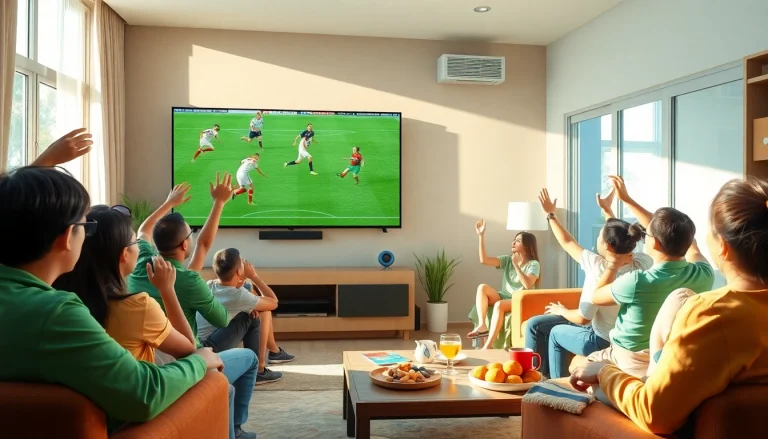





Understanding the Fundamentals of Sports Broadcasting
Sports broadcasting is a multi-faceted field that drives the global passion for sports, serving millions of fans across various platforms. Whether through television, radio, or internet streaming, Sports Broadcasting has profoundly transformed how audiences engage with their favorite events. In this comprehensive guide, we will explore the core principles, essential equipment, strategies for effective content, the challenges faced, and methods to assess success in the realm of sports broadcasting.
What is Sports Broadcasting?
At its core, sports broadcasting refers to the transmission of live and recorded sports events through electronic media. This encompasses the play-by-play commentary, analysis, interviews, and other related information that enhances the viewer’s experience. Sports broadcasters play a crucial role in bringing events directly to fans, often creating a sense of connection and excitement that surpasses the experience of attending a game in person. This blend of entertainment and information is essential for keeping audiences engaged and informed.
Key Roles in Sports Broadcasting
Sports broadcasting involves a diverse range of professionals, each contributing unique skills to create a polished product. Key roles include:
- Commentators: They provide live commentary during events, sharing insights and engaging the audience.
- Producers: These individuals oversee the entire broadcasting process, coordinating between different departments to ensure a smooth transmission.
- Camera Operators: Responsible for capturing the event from multiple angles, they play a crucial role in delivering a dynamic viewing experience.
- Audio Technicians: They ensure high-quality sound for broadcasts, including commentary and ambient noise from the venue.
- Editors: Post-production editors work on highlights and recorded segments, refining footage for future use.
The Evolution of Sports Broadcasting
The journey of sports broadcasting has been remarkable, shifting from simple radio broadcasts to complex, multi-platform productions. The advent of television revolutionized the field, offering richer visuals and the ability to reach wider audiences. With the rise of the internet, streaming services have emerged as a dominant force, allowing fans to tune into live events from anywhere in the world. This evolution continues, as technology advances, making sports broadcasting more immersive and interactive than ever before.
Essential Equipment for Effective Sports Broadcasting
To deliver high-quality sports broadcasts, a range of equipment is essential. Each piece of technology contributes to the overall production quality, impacting viewer experience and engagement.
Cameras and Setup for Sports Events
Cameras are the backbone of any broadcast setup. High-definition cameras capable of capturing fast-paced action are crucial, often coupled with specialized lenses for close-ups and aerial shots. Multi-camera setups allow for switching between angles, providing viewers with a comprehensive view of the event. Additionally, mobile units are often deployed for outdoor sports, providing the flexibility needed for different venues.
Audio Quality and Its Importance
Clear, high-quality audio is essential in sports broadcasting. Utilizing directional microphones to capture commentators’ voices while minimizing background noise enhances the viewer’s experience. The balance between play-by-play commentary, analyst insights, and crowd ambiance plays a vital role in immersing the audience into the event.
Software Tools for Live Broadcasting
Modern sports broadcasting relies heavily on software to manage live feeds, integrate graphics, and provide instant replays. Tools such as streaming software facilitate broadcasting through various online platforms, while graphic software enhances viewer engagement with real-time statistics and insights. Additionally, editing software is crucial for creating highlight reels and promotional content, ensuring a polished final output.
Strategies for Engaging Sports Broadcasting Content
Engaging content is the lifeblood of successful sports broadcasting. With a plethora of options available to consumers, broadcasters must implement creative strategies to capture and hold audience attention.
Storytelling Techniques in Sports Broadcasting
Effective storytelling can elevate a broadcast from mere reporting to an emotional journey. By weaving narratives around player backgrounds, historical rivalries, or pivotal moments, broadcasters can create compelling contexts that resonate deeply with viewers. Incorporating these elements makes the broadcast not just about the game but about the athletes’ journeys, enhancing viewer investment.
Utilizing Social Media for Audience Engagement
With billions on social media, engaging with audiences on these platforms can exponentially increase a broadcast’s reach. Live-tweeting games, sharing behind-the-scenes content, and interacting with fans through polls or Q&A sessions can foster a sense of community among viewers. Social media also serves as a feedback loop, providing broadcasters with instant audience reactions and preferences.
Visual Elements that Enhance Broadcasting
Incorporating visual elements like graphics, overlays, and animations can significantly elevate a broadcast’s quality. High-quality graphics provide statistics, player bios, and interactive elements that can keep viewers engaged throughout the event. Enhancements such as slow-motion replays and animated player tracking can add an informative dimension, ensuring that audiences fully appreciate the game’s nuances.
Navigating Challenges in Sports Broadcasting
Despite its appeal, sports broadcasting faces numerous challenges that can affect the quality of content delivered to audiences. Being prepared and adaptable is key to overcoming these hurdles.
Dealing with Technical Difficulties
Technical difficulties, whether related to equipment failure or connectivity issues, pose significant challenges during live broadcasts. Having backup equipment and a dedicated technical support team is essential for troubleshooting problems promptly. Conducting thorough pre-broadcast checks can mitigate many potential issues, ensuring a smooth experience for viewers.
Understanding Audience Expectations
Sports audiences have high expectations regarding content quality, visual appeal, and engagement. Understanding these expectations involves continuous research and audience feedback analysis. Broadcasters must tailor their content and presentation styles to align with viewer preferences while keeping an open channel for viewer feedback and suggestions.
Maintaining Accuracy and Integrity in Reporting
Ensuring accuracy in commentary and reporting is paramount in sports broadcasting. Broadcasters must fact-check information, especially statistics and player details, to maintain credibility. Adopting a transparent approach, including correcting errors swiftly and addressing audience concerns, enhances trust and integrity within the broadcasting entity.
Measuring Success in Sports Broadcasting
Success in sports broadcasting can be measured through various metrics and audience engagement levels. Understanding these elements helps broadcasters refine their strategies and improve overall performance.
Key Performance Indicators for Sports Broadcasting
Key Performance Indicators (KPIs) such as viewer ratings, audience retention rates, and social media engagement metrics are essential for evaluating a broadcast’s success. Tracking these KPIs allows broadcasters to identify trends and make data-informed decisions regarding future content and broadcasting techniques.
Analyzing Audience Feedback
Gathering and analyzing audience feedback is crucial for understanding viewer preferences and improving content. Surveys, social media interactions, and direct viewer engagement provide invaluable insights into what resonates with audiences. Implementing changes based on this feedback can significantly enhance viewer satisfaction and loyalty.
Continuous Improvement in Broadcasting Techniques
The landscape of sports broadcasting is always evolving. Continuous improvement involves staying updated with the latest technology, engaging in regular training for staff, and exploring innovative storytelling techniques. Embracing new ideas and methods can help broadcasters remain competitive and appealing to a modern audience.
Frequently Asked Questions
What is the future of sports broadcasting?
The future of sports broadcasting is leaning towards personalization and interactivity, with increased focus on streaming services and immersive experiences like virtual reality.
How can I get into sports broadcasting?
Getting into sports broadcasting typically requires a background in journalism, communication, or media studies, combined with internships and practical experience in broadcasting environments.
What role does technology play in sports broadcasting?
Technology enhances sports broadcasting through improved camera systems, graphics integration, streaming innovations, and interactive viewer engagement tools.
Can sports broadcasting be done remotely?
Yes, advancements in technology allow for remote sports broadcasting, utilizing high-quality streaming services and remote production teams effectively.
How important is audience engagement in sports broadcasting?
Audience engagement is crucial as it drives viewer loyalty, enhances the viewing experience, and contributes to overall ratings and success for broadcasters.